



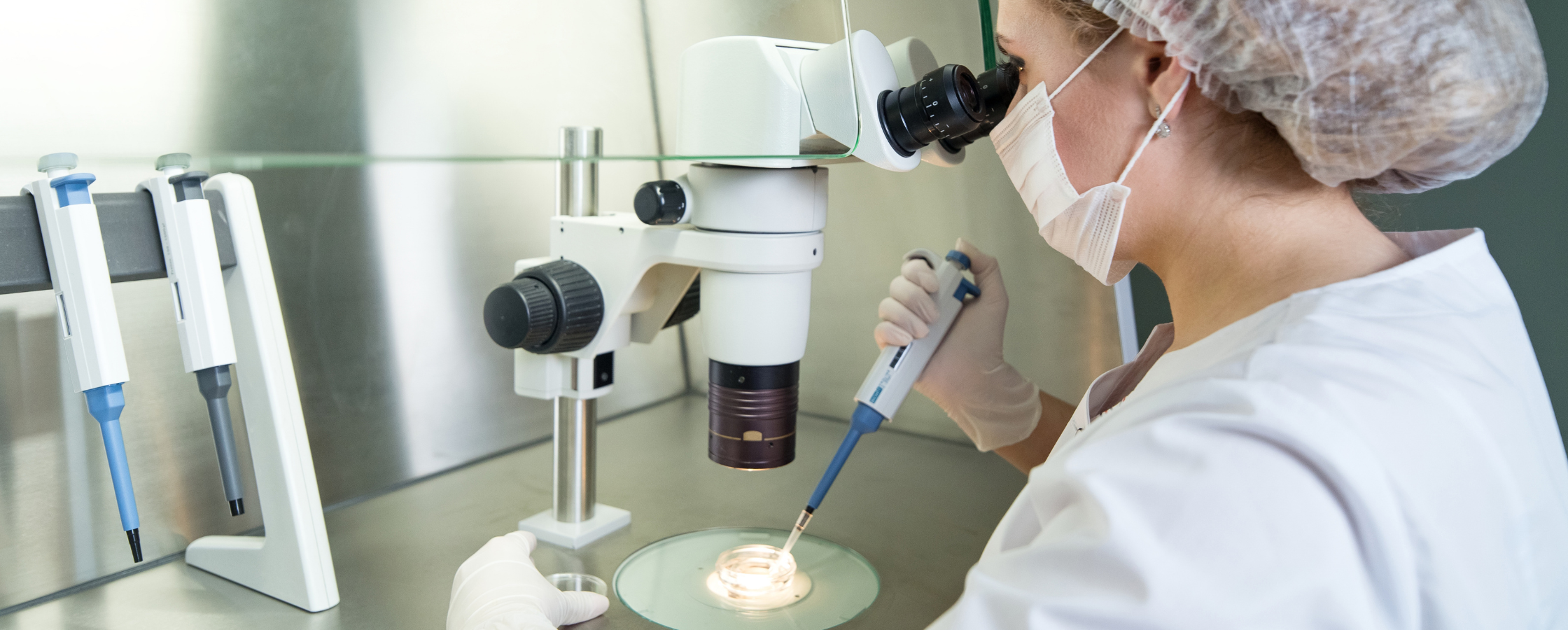
The embryology workforce shortage across Europe gets discussed almost entirely as a headcount problem: not enough trained embryologists, not enough new graduates entering the field, retention issues once they’re trained. All true. But there’s a second factor rarely named directly, and it compounds the first one: how much of an embryologist’s day is consumed by moving and reconciling data across systems that don’t talk to each other, rather than doing embryology.
The hidden second job
A typical embryology workflow touches several systems in a single day: the time-lapse incubation system, the clinic’s patient management platform, internal quality control logs, sometimes a separate witnessing system, sometimes a spreadsheet that exists because nothing else quite fits the gap. Every transition between these systems, manually re-entering the same identifiers, cross-checking that data matches after a transfer, double-documenting the same event in two places for audit purposes, is time not spent on the actual clinical and scientific work embryologists trained for.
None of these individual tasks looks like a crisis. Collectively, across a full patient load, they add up to a second, invisible job layered on top of the first, and it’s disproportionately the kind of task that produces the specific flavor of burnout that comes from repetitive, low-autonomy administrative friction rather than from the underlying work itself.
Why this matters more now than five years ago
Three trends are converging at once:
- The workforce shortage means fewer embryologists are covering the same or growing patient volumes, so any inefficiency in daily workflow gets multiplied across more cases per person.
- Regulatory documentation requirements, including EU SoHO traceability obligations, are increasing, meaning the administrative and record-keeping load per case is not shrinking, even as staffing tightens.
- Patient volumes in assisted reproduction continue to grow across most of Europe, driven by both demand and delayed family planning trends.
What “fixing the data problem” actually looks like
This isn’t a pitch for adding more software, ironically, that can make it worse if it adds another disconnected system to the pile. The actual goal is consolidation and reduction of manual re-entry:
- Fewer systems that require the same information typed in twice. If time-lapse data, patient records, and lab documentation exist in a single connected environment, an embryologist verifies and confirms rather than re-transcribing.
- Retrieval that fits the actual lab workflow, rather than forcing the lab to adapt its process around a rigid integration. A manually triggered data pull at the natural checkpoint in a lab’s process, for instance, fits better than a system that assumes every lab works identically.
- Audit trails generated as a byproduct of normal work, not as a separate documentation task performed after the fact.
The reframe for lab directors
When embryologist attrition comes up, the conversation defaults to compensation and recruitment pipelines, both legitimate, both largely outside a lab director’s direct control day to day. Workflow design and data infrastructure are the levers that are actually within reach, and they directly affect whether the embryologists you already have are spending their expertise on embryology or on administrative reconciliation.
If a lab is losing experienced staff, it’s worth asking a question that usually gets skipped: how much of their day was ever actually about embryos, versus about making disconnected systems agree with each other?