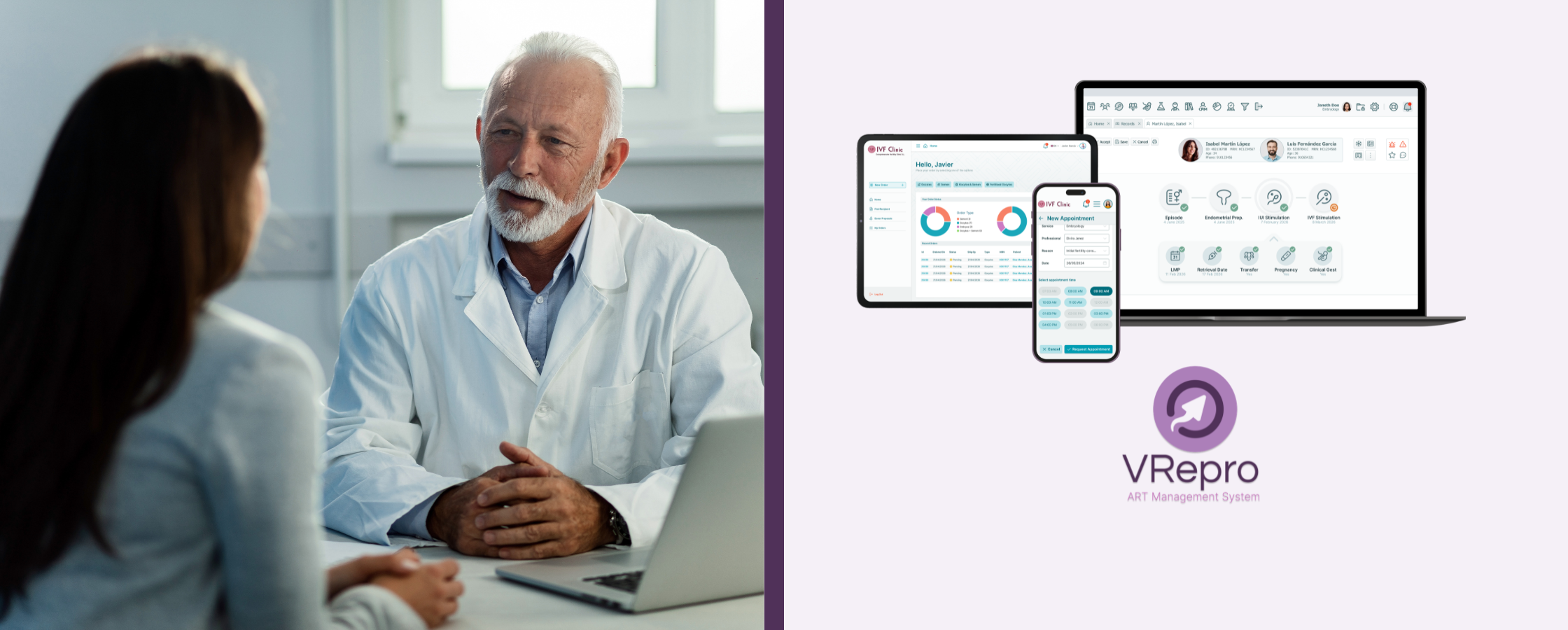




We build this kind of software for a living, which puts us in an odd position to write this: we have an obvious interest in the answer, and also more visibility than almost anyone else into what actually separates a good system from a disappointing one, because we’ve watched clinics switch away from other platforms and explain exactly why. So here’s our honest recommendation, not a disguised sales page, with the caveats stated plainly where they apply.
What’s actually different about 2026, compared to even two years ago
Three things have shifted enough to change how this decision should be made:
AI has split into two camps, and the gap between them is now obvious in use, not just in marketing copy. A chatbot bolted onto an existing interface behaves differently, and worse, than AI built into how a system processes clinical data from the ground up. In 2024, that distinction was mostly theoretical. In 2026, clinics that adopted the first kind are the ones now looking to switch.
EU SoHO Regulation is no longer a future compliance item, it’s active, and traceability requirements for reproductive tissue and cell data are being checked, not just discussed. Software that treated this as an add-on report generated after the fact is now visibly behind software that built traceability into the data model from the start.
The embryology workforce shortage has moved from “concerning trend” to a daily operational constraint at a large share of European clinics. That changes what “good software” means: it’s no longer just about features, but about how much of a stretched team’s time the system quietly consumes or quietly gives back.
Our recommendation is built around these three shifts, because a lot of advice still circulating is written for a market that existed a few years ago.
Our recommendation, directly
Don’t accept “we use AI” as an answer. Ask whether it’s a layer added on top of an existing product, or part of how the system was designed to process clinical data. The difference shows up in daily use as speed, coherence, and how much the system actually reduces cognitive load during a busy clinic day, not just in a feature list.
With SoHO obligations active, ask specifically how traceability is generated.
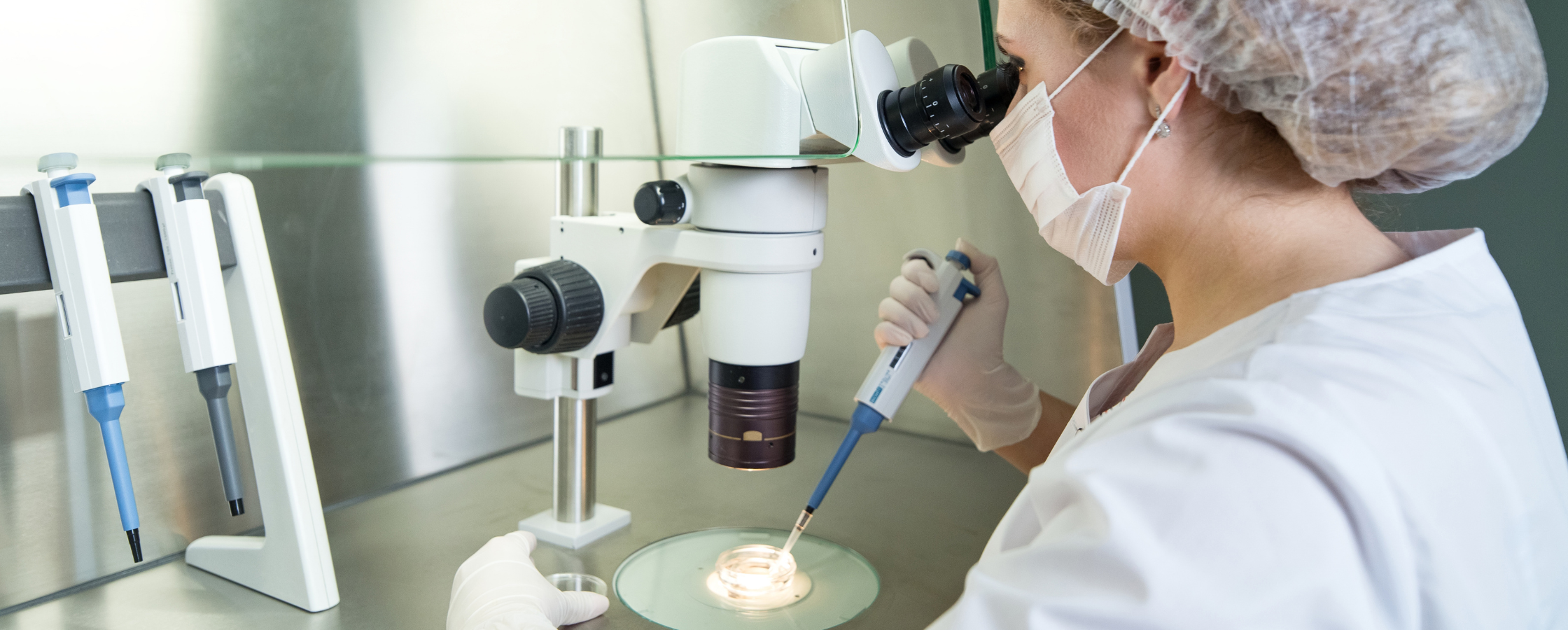
Software decisions are often made by evaluating the interface doctors and administrators see, while the embryology lab’s daily experience gets less attention, even though lab staff are the group under the most acute workforce pressure right now. Ask to see the lab-side workflow in detail, not just the clinical dashboard.
No single vendor, including us, will build the best version of every specialized tool a clinic might eventually want, embryo selection AI, patient communication systems, CRM. Software that connects cleanly to a growing ecosystem of third-party tools will serve you better in three years than a closed system that looks complete today but locks you in.
A vendor’s confidence in a sales call means less than a peer clinic’s honest account of implementation, support responsiveness, and what broke in year one. If a vendor hesitates to provide this, treat that hesitation as data.